
Who Were the Filles du Roi?
Between 1663 and 1673, nearly 800 young women — known as the Filles du Roi or “Daughters of the King” — left France for New France (now Quebec, Canada). Sponsored by King Louis XIV, these women were sent to help populate the colony and provide wives for the male settlers, soldiers, and fur traders already living there.
At the time, New France faced a serious gender imbalance. For every one woman, there were six to ten men. Without families, the colony’s future looked uncertain. The solution? Send over marriageable women — most of them orphans or from poor families — and provide them with dowries and supplies to start a new life.
Why Were They Called “Daughters of the King”?
These women weren’t royal by blood, but they were financially supported by the king. Louis XIV offered each woman a dowry (around 50–100 livres), free passage to New France, and sometimes additional household goods. In return, the women were expected to marry quickly and raise large families to help grow the population.
Life in the New World
Life in 17th-century Canada was hard. Winters were brutal, resources were limited, and frontier life was full of danger. But the Filles du Roi were incredibly resilient. Many married within weeks of arrival, often choosing their husbands themselves. By the end of the program, they had helped lay the foundation for generations of French Canadians.
It’s estimated that today, millions of people in North America can trace at least part of their ancestry back to one of these pioneering women.
Legacy
The Filles du Roi are celebrated today as founding mothers of French Canada. They represent courage, hope, and the essential — though often overlooked — role of women in shaping history.

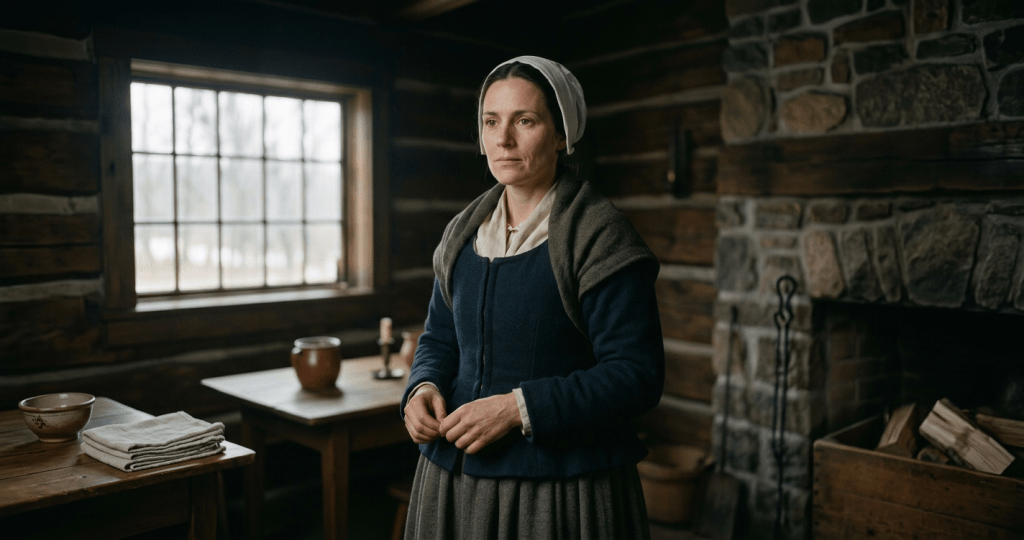
Here are my relatives that were Filles du Roi / King’s Daughter




 Related to Me